Picture this: sunrise over Cedar Lake, coffee in hand, and your boat ready for a quick spin. The question is whether you need to be right on the shoreline to get that lifestyle, or if a nearby home will fit your budget and goals better. If you’re weighing options around Cedar Lake near Gary in Lake County, you’re not alone.
In this guide, you’ll compare lakefront and nearby homes, understand true costs, see what permits and insurance to expect, and follow a clear due-diligence checklist. You’ll walk away ready to shop with confidence and avoid costly surprises. Let’s dive in.
Cedar Lake essentials
Cedar Lake is a natural lake in Lake County, northwest Indiana. Homes around the water can fall inside the Town of Cedar Lake or in unincorporated Lake County. Jurisdiction matters because it affects zoning, permits, and services. You can start with the Town of Cedar Lake for local ordinances and contacts.
Before you bid on a property, verify municipal boundaries, flood zone, utilities, and any HOA rules. These factors shape both upfront and ongoing costs.
What counts as lakefront here
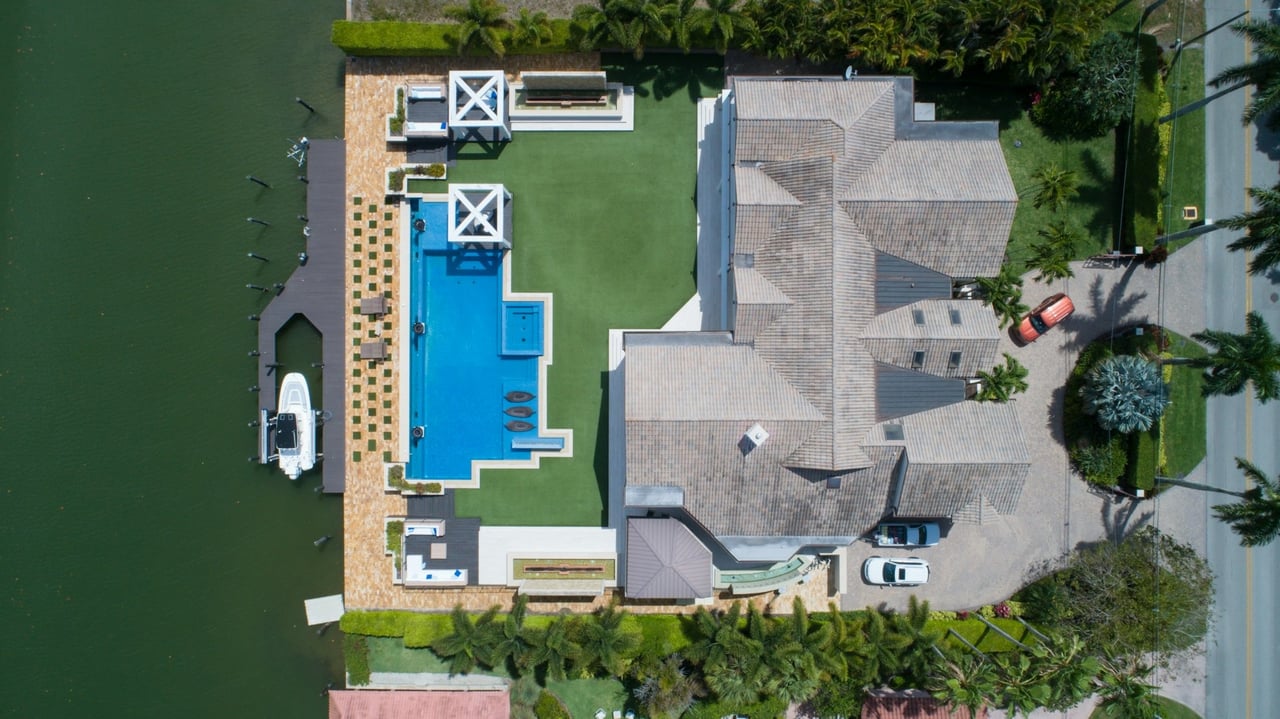
“Lakefront” usually means you own property that directly touches the water and may include littoral rights, a dock, or shoreline structures. “Nearby” properties can still offer water access, either via a deeded easement, a community dock, or public ramps, but you do not own the shoreline.
Key distinctions to verify in Cedar Lake:
- Do you have direct frontage or only a lake view?
- Is there deeded or HOA-managed access to the water?
- Are dock rights private, shared, or prohibited by rules?
- Are there recorded easements on your survey or title?
Lakefront vs nearby: pros and cons
Lakefront advantages
- Immediate access to boating, fishing, and swimming.
- Water views and potential private docking.
- A vacation-style feel that many buyers prioritize.
Lakefront tradeoffs
- Higher purchase price and appraisal variability due to limited comps.
- More maintenance for docks, seawalls, and shoreline.
- Stricter permitting and possible higher insurance costs.
Nearby advantages
- Lower purchase price with broader resale appeal.
- Lower maintenance and fewer shoreline rules.
- Easier insurance and simpler permitting.
Nearby tradeoffs
- No private shoreline ownership.
- Access may depend on HOA rules or public ramps.
- Fewer on-the-water conveniences for day-to-day use.
Costs, insurance, and risk
Waterfront property typically carries a price premium that reflects land value, water access, view quality, and shoreline improvements. Because comparable sales are fewer for unique waterfront lots, appraisals can vary more than for non-waterfront homes.
Flood risk is a key factor near any lake. Check your parcel on the FEMA Flood Map Service Center. If a lender sees your home in a mapped flood zone, separate flood insurance is usually required. Even if you are mapped outside the floodplain, you may still choose flood coverage for added protection.
Standard policies often exclude flood damage. Ask insurers about:
- Flood insurance via NFIP or private carriers.
- Endorsements for docks, boat houses, or seawalls.
- Water backup, wind, and hail coverage variations on waterfront homes.
Permits, access, and lake rules
Shoreline work often requires permits. For docks, seawalls, riprap, or other lake-related projects, verify local steps with the Town and the state. Start with the Indiana DNR guidance on docks and shoreline work and the Town of Cedar Lake for local ordinances and approvals.
If your access is through an HOA or lake association, check rules for dock size, slip assignments, parking, and guest use. Also review boat rules and any no-wake zones established by local ordinances.
Maintenance and environmental factors
Shoreline structures need care. Docks may require seasonal installation and removal, along with winterizing and repairs. Seawalls and riprap need periodic inspection and maintenance to prevent erosion. Factor these costs into your annual budget.
Homes near the lake may use private wells and septic systems. Confirm system type, age, capacity, and service history and match records with local health department filings. Access to municipal water or sewer varies by parcel and connection costs can be significant.
Lake health affects your enjoyment and value. Learn about harmful algal blooms and water quality through IDEM information on harmful algal blooms and the U.S. EPA overview of cyanobacterial blooms. For invasive plants or zebra mussels, review aquatic invasive species guidance from Indiana DNR. Ask whether there are lake management programs, who funds them, and if special assessments apply.
Buyer due-diligence checklist
Documents to request
- Recent survey or plat with property lines, shoreline line, dock location, and any easements.
- Preliminary title commitment and deed language covering littoral rights and dock ownership.
- HOA or lake association covenants, bylaws, budgets, meeting minutes, and assessment history.
- Permits for existing docks, seawalls, or shoreline work.
- Seller property disclosures, including any flood, mold, or sewage backup history.
- Septic inspection and maintenance records and well test results if applicable.
- Any erosion studies or engineering reports and water quality or lake management plans.
- Property tax history and current assessment.
Inspections and assessments
- Full home inspection with attention to moisture in basements or crawl spaces.
- Specialized dock and shoreline structural assessment.
- Septic inspection or dye test and well water testing for bacteria, nitrates, and lead.
- Elevation certificate if the parcel is in a FEMA flood zone for accurate insurance quotes.
Technical checks
- Confirm flood zone using the FEMA Flood Map Service Center.
- Obtain homeowner, flood, and umbrella insurance quotes before finalizing your offer.
- Verify utility access and winter road maintenance if applicable.
Financing, appraisal, and taxes
Lenders often ask for extra documentation on waterfront homes, such as surveys and elevation certificates. Appraisal can be more subjective if waterfront comps are scarce, so give your lender and appraiser all relevant information about access rights and permitted shoreline improvements.
Review tax assessments and look for any special assessments related to lake treatments or dredging. Because insurance can be costlier on the water, confirm premiums early so you can set a realistic monthly budget.
Smart next steps
- Define your must-haves: direct frontage, deeded access, or public ramp convenience.
- Set a total cost outlook: price, insurance, dock upkeep, HOA dues, and any assessments.
- Verify permits and rules before you make an offer.
- Use a local team that knows Cedar Lake’s jurisdictions, shoreline rules, and flood mapping.
When you are ready to compare specific homes, we can help you verify access rights, decode HOA rules, and line up the right inspections so your move is simple and predictable. Connect with Simplify Your Move Realty for clear answers and a step-by-step plan.
FAQs
Do Cedar Lake buyers automatically own the shoreline?
- Not always. Ownership and littoral rights depend on the deed, plat, and local law. Confirm with a survey and title review before you rely on dock or access rights.
Will I need flood insurance near Cedar Lake?
- If your home is in a mapped FEMA flood zone and you have a mortgage, flood insurance is usually required. Check the FEMA Flood Map Service Center for your parcel.
Who maintains docks and seawalls on Cedar Lake properties?
- It varies. Maintenance and ownership are defined by your deed, title, and any HOA or association rules. Review those documents to know your responsibilities.
Are invasive species an issue at Cedar Lake?
Are lakefront homes a better investment in Cedar Lake?
- They can hold value well due to access and views, but they come with higher maintenance and insurance. Market conditions and lake health will influence long-term returns.
Can I use short-term rentals for a Cedar Lake home?
- It depends on local ordinances and your HOA or association rules. Confirm restrictions, licensing, and taxes before planning any rental use.