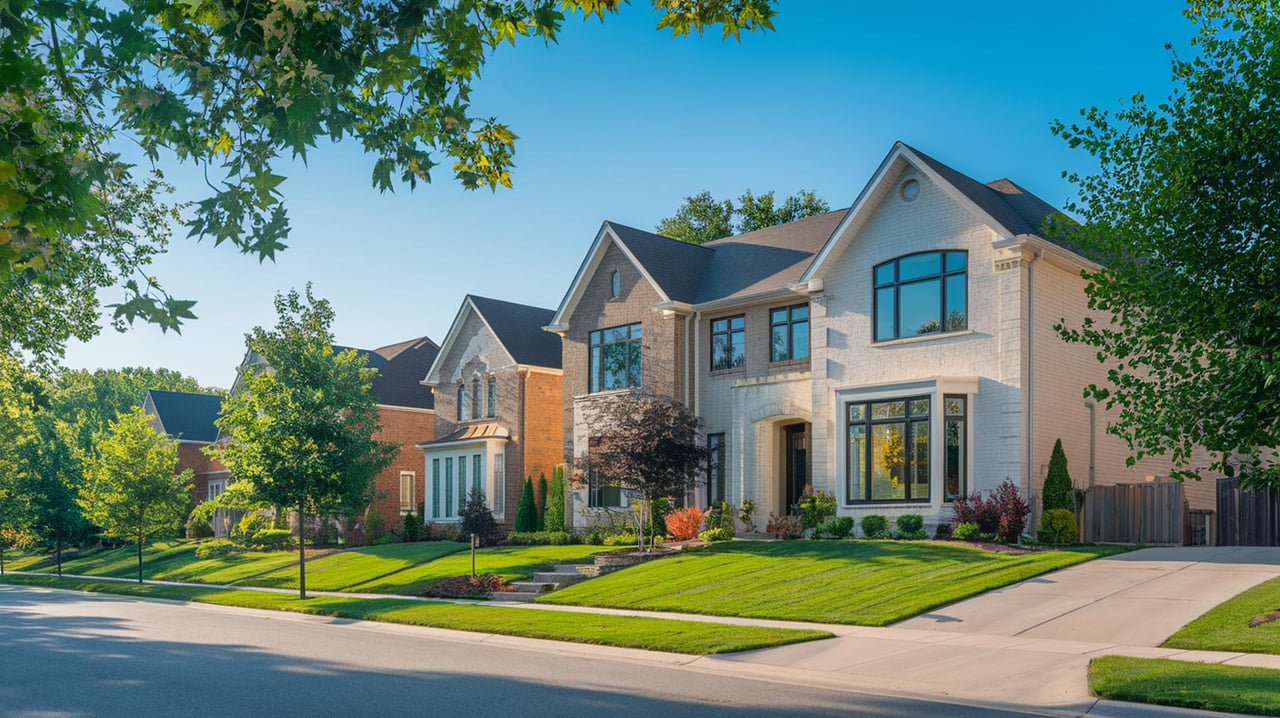
Thinking about buying or selling in Saint John and wondering whether an HOA is a good fit? You’re not alone. HOAs can offer convenience and consistent curb appeal, but they also come with fees and rules that may not match your plans. In this guide, you’ll see how HOAs work in the Saint John area, what they cost, and how they compare to homes without an HOA so you can choose with confidence. Let’s dive in.
What an HOA is in Saint John
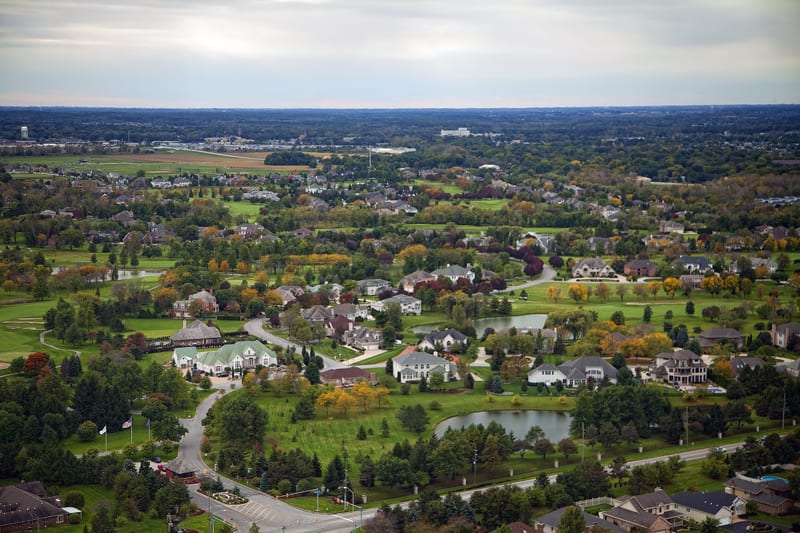
An HOA is a nonprofit association that manages a neighborhood or building under recorded covenants and bylaws. In Saint John and across Lake County, you’ll see HOAs in many newer subdivisions, townhome communities, and condo buildings. Older neighborhoods and rural pockets often have no HOA.
The association’s governing documents set the rules and define day-to-day powers. These typically include collecting assessments, enforcing architectural standards, managing common areas, and creating use and parking rules. Local town and county rules still apply regardless of HOA status, including permits, codes, and taxes.
Costs you should expect
Choosing between HOA and no-HOA ownership affects your monthly budget and long-term costs. Here’s what to look for.
HOA costs
- Regular dues or assessments. Ongoing fees fund common-area maintenance, landscaping, snow removal in common areas, management, and amenities such as a pool or clubhouse.
- Special assessments. One-time charges for large projects when reserves are not enough, such as roof replacements, road work, or amenity upgrades.
- Transfer or resale fees. Fees at closing for processing the ownership change and providing documents.
- Reserves. A portion of dues set aside for future big-ticket repairs. Strong reserves reduce the chance of surprise assessments.
- Fines and enforcement costs. Fees for violations if rules are not followed.
- Insurance allocation. Condo associations carry a master policy for the building exterior and common elements. You carry an HO-6 for interiors and personal property. In single-family HOAs, you typically insure the entire home, while the HOA insures common areas.
No-HOA costs
- No monthly HOA dues. You keep that line item off your budget.
- Full maintenance responsibility. You handle yard care, exterior repairs, private drive maintenance, and any shared-private services not provided by the town or county.
- Variable long-term costs. Without shared standards or reserves, maintenance needs can be less predictable.
How to get accurate numbers locally
HOA fees vary widely by community, age, and amenities. In the Saint John area, newer, amenity-rich communities tend to have higher dues than small single-family associations with minimal common areas. For exact figures, request the resale certificate or estoppel letter, review the association’s current budget and reserve information, and confirm whether any special assessments are pending. You can also cross-check MLS listings and ask the property management company that serves the community.
Rules and quality-of-life tradeoffs
HOAs exist to manage shared standards and services. That can simplify your day-to-day, but it also introduces rules you agree to follow as an owner.
Common rules
- Architectural control. Guidelines for exterior paint, roofing, fencing, additions, sheds, driveways, and landscaping. Most communities use an architectural review committee.
- Use and parking. Limits on rentals, home businesses, types and numbers of vehicles, signage, and where to store trash bins.
- Amenity rules. Access guidelines for pools, clubhouses, playgrounds, hours, and guest policies.
Enforcement approach
Associations typically follow a step-by-step process: written notices, fines, possible suspension of amenity access, and liens for unpaid assessments. In some cases, documents allow foreclosure actions for chronic nonpayment. Many associations in Lake County hire professional managers, which can influence how quickly issues are handled and how transparent communication feels.
Condo vs. townhome vs. single-family
- Condos. Associations often cover exterior maintenance, roofing, building insurance, and some utilities. You insure the interior and personal property with an HO-6 policy.
- Townhomes. Coverage varies. Some function like condos with broader exterior responsibilities, while others mirror single-family HOAs.
- Single-family HOAs. You maintain your own home and yard, while the association manages common areas and standards.
Rentals and investors
Some HOAs restrict short-term rentals or cap the share of homes that can be rented. If you plan to rent now or later, review rental policies and any occupancy standards before you make an offer. No-HOA properties usually do not have association rental limits, but town or county ordinances still apply.
Pros and cons at a glance
Pros of HOAs
- Consistent neighborhood appearance that can help support property values.
- Shared amenities and services such as pools, trails, landscaping, and lighting.
- Predictable maintenance for common areas and private streets.
- Professional management can reduce the time you spend on administrative tasks.
Cons of HOAs
- Monthly or annual fees affect affordability and mortgage ratios.
- Risk of special assessments for large projects.
- Rules on exterior choices, parking, pets, and rentals may limit plans.
- Transfer fees and document steps can add time to closing.
Pros of no-HOA ownership
- More freedom to customize your property, subject to town and county codes.
- No recurring HOA dues.
- Simpler closings without association resale packets.
Cons of no-HOA ownership
- You are responsible for all exterior and yard upkeep.
- Neighboring properties are not held to shared standards.
- No centralized services or amenity maintenance.
Buyer due diligence checklist
Request these documents early in your purchase process so you know what you are buying into:
- Declaration or CC&Rs, bylaws, and articles of incorporation
- Current rules and regulations
- Current budget, most recent financials, and any reserve study or reserve summary
- Board meeting minutes for the last 12 to 24 months
- Assessment schedule and payment frequency
- Any current or pending special assessments
- Estoppel letter or resale certificate with current dues, delinquencies, pending violations, litigation, and insurance details
- Master insurance declarations and what you are responsible to insure
- Management contract and manager contact information
- Parking and amenity rules plus enforcement policy and fine schedule
- Architectural guidelines and application forms
- Tenant and rental policies
Red flags to watch
- Low reserves or no reserve study, which can signal future special assessments
- Ongoing or recent litigation involving the association or developer
- High delinquency rates that threaten cash flow and services
- Frequent special assessments in recent years
- Unclear insurance boundaries between the master policy and owner coverage
- Rules that could limit resale potential, such as strict rental bans or parking limits
- Missing minutes or limited transparency
- Frequent management turnover
Seller prep if your home is in an HOA
Get ahead of paperwork and fees so your sale runs smoothly. Confirm whether the association requires a resale packet, who pays transfer or processing fees, and how long document turnaround takes. Disclose any known violations and address simple fixes before listing. Share HOA contacts with your agent at the time of listing so buyers can request documents right after contract acceptance.
How HOA status affects financing and insurance
Lenders include recurring HOA dues in your monthly obligations, which can change how much you qualify to borrow. Condo loans sometimes require the project to meet standards for owner-occupancy and reserves. For insurance, condos rely on the master policy for the structure and common elements, while owners carry HO-6 coverage for interiors and personal property. In single-family HOAs and no-HOA homes, you usually insure the dwelling and liability based on your property’s needs.
A simple way to decide
Use these questions to match the home type to your lifestyle:
- Do you want shared amenities and consistent neighborhood standards, or do you value maximum flexibility?
- Will rules about exterior changes, parking, pets, or rentals affect your plans?
- How do the dues fit your monthly budget, and what do reserves and meeting minutes suggest about future costs?
- If it is a condo or townhome, does the coverage and reserve plan align with the building’s age and upcoming needs?
If you are torn between options, compare two specific properties side by side. Add dues to your monthly payment estimate, then weigh the services and rules you get in return.
Work with a local guide
You do not have to navigate HOA documents, reserves, and resale packets alone. Our systems-first team reviews budgets and minutes, flags red flags early, and coordinates with management to keep your closing on track. Whether you prefer a no-HOA yard to make your own or the convenience of a maintained community, we will help you protect your time and money.
Ready to compare your options in Saint John and nearby Lake County communities? Connect with the local team at Simplify Your Move Realty to walk through dues, rules, and resale timelines, and to see current HOA and no-HOA listings that match your goals. Get My Valuation.
FAQs
How do HOA fees impact mortgage approval in Saint John?
- Lenders count monthly HOA dues in your debt-to-income ratio, which can reduce the loan amount you qualify for, especially in condo communities with higher fees.
Can an HOA in Indiana foreclose for unpaid assessments?
- Associations commonly have lien rights and may pursue foreclosure based on their governing documents and state law; review enforcement provisions and recent practices before you buy.
Are HOA dues tax-deductible for a primary home?
- Generally no. Portions related to rental or business use may be deductible, so consult a tax professional for your situation.
What documents should a buyer in an HOA request before closing?
- Ask for the declaration, bylaws, rules, current budget and financials, reserve study, meeting minutes, assessment schedules, any special assessments, resale certificate, insurance details, and rental policies.
How do rules differ between condos and single-family HOAs in Lake County?
- Condos often include exterior maintenance and a master insurance policy, while single-family HOAs focus on common areas and standards, leaving you to maintain your home and yard.
How can investors verify rental rules in Saint John HOAs?
- Review tenant policies and any rental caps in the governing documents and resale certificate, and confirm any short-term rental restrictions before making an offer.